25 Jul Successfully Furnishing an Office Requires Planning and Precision
Any effort to furnish an office, whether a single workspace or an entire office buildout, is not for the faint of heart. The following article is a collection of valuable insights drawn from Mac MacCardle, MyOffice’s Director of Design & Furniture/Director of Sales. With over 40 years of office space outfitting, his insights are invaluable for his numerous current and former clients.
Furnishing an office is a significant undertaking, as it sets the tone for your work environment. Whether you’re establishing a new office or revamping an existing one, the process involves thoughtful planning and execution. The right office setup must achieve various objectives for different stakeholders. First, your primary objective is to ensure you optimize staff productivity. Second, your office should reflect your company’s culture. Finally, and equally important, the office must provide a comfortable space for employees and clients alike.
To extend that last point a bit, creating a workspace that meets functional needs while also being aesthetically pleasing is crucial. It requires a balance between practicality and style, ensuring that the office reflects the professional image you wish to project. As you start the process, you will navigate through various aspects such as design planning, furniture selection, acquisition, and installation.
This guide aims to remove the ambiguity of the process of furnishing an office. My goal is to break it down into manageable steps – in other words not “eat the elephant in one bite.” By understanding the importance of each phase, you can create a workspace that is not only efficient but also inspiring for everyone who uses it.
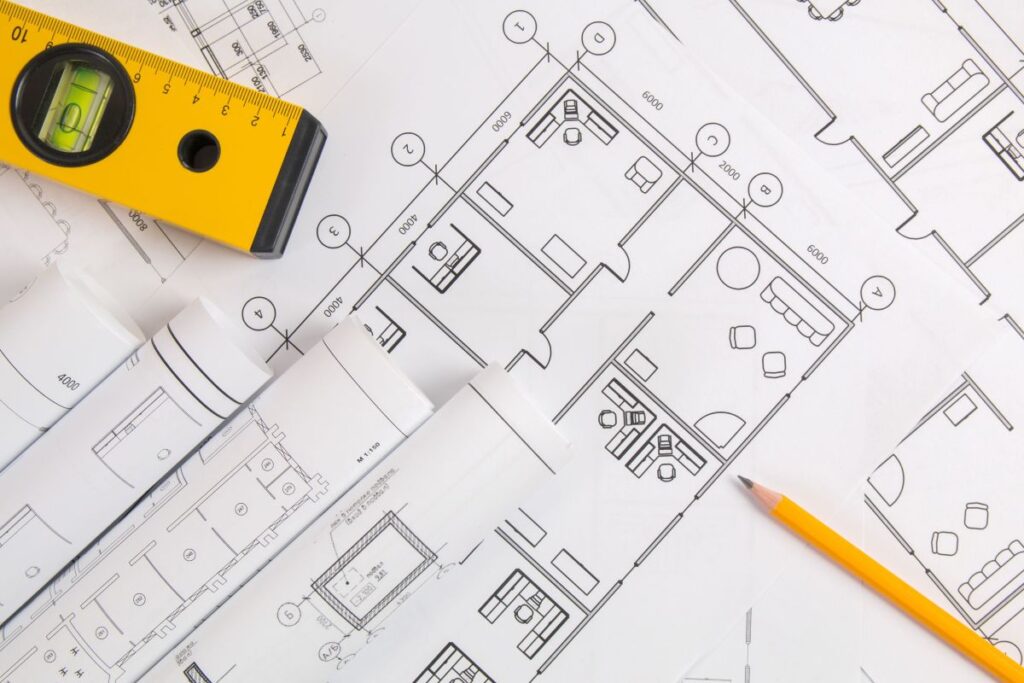
Imagery Sources: iStock, Unsplash, Global Furniture Group
Importance of Office Design Planning
Office design planning is the cornerstone of a successful office environment. It involves envisioning how your workspace will look and function. Proper planning ensures that space is utilized efficiently, promoting both productivity and wellbeing. An effective office design aligns with your business objectives and provides a conducive environment for work.
When planning your office design, it is best to work with a seasoned designer that will consider the workflow and interactions among team members. They should be able to not just investigate needs but also apply them to an actual plan. Having a design plan to guide the entire rest of the process is crucial. An open-plan layout might foster collaboration, while private cubicles could be more suitable for focused work. Also, think about how different departments will be arranged to facilitate efficient communication and workflow.
Investing time (and even a little money) in planning can prevent costly mistakes in the future. A well-thought-out design plan will guide your furniture selection and placement, ensuring that every piece serves a purpose. It sets the foundation for a harmonious balance between functionality and aesthetics.
Key Elements of Office Design
 Designing an office involves several key elements that contribute to a productive work environment. These elements include spatial arrangement, color schemes, lighting, and acoustics. Each plays a crucial role in creating an atmosphere that supports your team’s needs and preferences.
Spatial Arrangement: The layout of your office should facilitate easy movement and communication. Consider the flow of people, processes, and information. A strategic arrangement can enhance collaboration and efficiency.
Color Schemes: Colors influence mood and productivity. Lighter shades can make spaces feel larger and more open, while certain colors like blue and green are known to boost focus and calmness. Choose a palette that aligns with your brand and desired office atmosphere.
Lighting: Natural light is ideal, but if that’s limited, ensure ample artificial lighting. Proper lighting reduces eye strain and boosts energy levels. Consider adjustable lighting options to cater to different tasks and preferences.
Acoustics: Managing noise levels is essential for concentration and privacy. Use sound-absorbing materials and consider the placement of noisy equipment in dead space or “nooks and crannies” in your space to minimize disruption. Additionally, sound masking equipment should be a primary consideration of your plan.
By focusing on these elements, you can create a workspace that is not only efficient but also pleasant and inviting.
Key Elements of Office Furniture Selection
Selecting the right office furniture is pivotal to creating a functional and comfortable workspace. Furniture should meet the practical needs of your office while also enhancing its overall design. It’s important to consider a range of factors such as durability, style, functionality, and ergonomics.
Durability: Office furniture is an investment, so choose pieces that are built to last. Look for materials and construction that can withstand daily use and still maintain their appearance over time. Whether a single workstation overhaul or a complete office space buildout, the best approach is to work with a seasoned contract furniture dealer like MyOffice. Yes, DIY can work, but industry professionals earn their compensation through their experience selecting the best furniture options with you. This ultimately saves time and potential aggravation down the line.
Style: Your furniture should reflect your company’s identity and culture. Whether you prefer a modern, minimalist look or a more traditional style, ensure that your furniture choices align with your brand’s image.
Functionality: Consider how each piece of furniture will be used and by whom. Desks and chairs should be adjustable to accommodate different users. Storage solutions should be ample and easily accessible to keep the workspace organized. To that last point, in the technological age, physical storage solutions should be kept to a minimum. This means resources can be dedicated to more functional environments like privacy spaces or movable partitions for greater flexibility.
Ergonomics: Ergonomically designed furniture promotes health and comfort, reducing the risk of strain or injury. Prioritize adjustable chairs and desks that support good posture and allow movement.
By paying attention to these key elements, you can select furniture that not only looks great but also enhances the work experience.
Types of Office Furniture: Desks, Chairs, and More
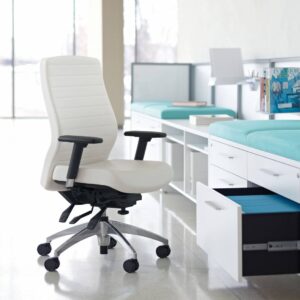 Let’s go a bit deeper into the actual workstation elements. Office furniture comes in a variety of types, each serving a specific purpose. Understanding the various categories can help you make informed decisions that cater to the needs of your office.
Desks
Desks are central to the office environment, providing a space for work and storage. Consider options such as:
Executive Desks: Large and often ornate, suitable for managerial roles.
Computer Desks: Designed to accommodate computers and peripherals, often with cable management features.
Standing Desks: Allow for height adjustment, encouraging movement and reducing sedentary time.
Chairs
Comfortable seating is essential for productivity and health. Options include:
Task Chairs: Adjustable and swivel, suitable for general office use.
Executive Chairs: Often larger with more cushioning, designed for prolonged seating.
Ergonomic Chairs: Support natural posture and reduce strain, adjustable for various body types.
Additional Furniture
Other essential pieces include:
Storage Solutions: Filing cabinets, shelves, and lockers to keep documents and supplies organized.
Conference Tables: For meetings and collaborative sessions, available in diverse sizes and shapes.
Reception Furniture: Comfortable seating and tables for the waiting area, creating a welcoming first impression.
Selecting the right combination of these furniture types will help create a balanced and effective office environment.
The Role of Ergonomics in Office Furniture Selection
Ergonomics plays a critical role in selecting office furniture, as it directly impacts employee health and productivity. Ergonomically designed furniture supports the body’s natural posture, reducing the risk of discomfort and injury.
Benefits of Ergonomic Furniture
Improved Comfort: Adjustable features allow users to customize their seating and desk height, promoting comfort and reducing strain.
Enhanced Productivity: Comfortable employees are more focused and efficient, leading to improved performance.
Health Benefits: Ergonomic furniture reduces the risk of musculoskeletal disorders by supporting proper posture and movement.
Key Ergonomic Features
Adjustable Chairs: Look for chairs with adjustable seat height, armrests, and lumbar support.
Height-Adjustable Desks: Allow users to alternate between sitting and standing positions, promoting movement.
Monitor Stands: Keep screens at eye level to prevent neck strain.
Prioritizing ergonomics in your furniture selection can lead to a healthier, more productive work environment.
Considerations When Acquiring Office Furniture
 When acquiring office furniture, several factors should be considered to ensure a successful purchase. These considerations will help you make informed decisions that align with your office needs and budget constraints.
Cost and Budget
Set a realistic budget that balances quality and affordability. While it is important to manage costs, investing in durable, high-quality furniture can save money overall by reducing the need for replacements.
Space and Layout
Measure the available space and consider how the furniture will fit within the office layout. Ensure that pieces are sized appropriately and do not overcrowd the space. Allow for ample room for movement and accessibility.
Vendor Reputation
Choose reliable vendors with a proven track record. Read reviews, ask for references, and inquire about warranties and after-sales service. A reputable supplier like MyOffice will provide quality products and support throughout the purchasing process.
By considering these factors, you can acquire office furniture that meets your needs while providing value and longevity.
Office Space Planning: Maximizing Functionality and Aesthetics
Office space planning is about optimizing the use of space to create a functional and visually appealing work environment. It involves arranging furniture and equipment in a way that enhances productivity and supports the overall office design.
Principles of Effective Space Planning
Functionality: Ensure that the layout supports the workflow and tasks performed by your team. Consider proximity to resources and ease of movement.
Aesthetics: Create a visually appealing environment by balancing colors, textures, and furniture styles. A well-designed space can boost morale and create a positive impression.
Flexibility: Design a layout that can adapt to future changes or growth. Modular furniture and open spaces allow for easy reconfiguration.
By prioritizing both functionality and aesthetics, you will create a workspace that is efficient and inspiring.
Installation Process: What to Expect
 The installation process is the last step in furnishing an office, where all elements come together to create the finished space. Understanding what to expect can help ensure a smooth and stress-free setup.
Steps in the Installation Process
Preparation: Clear the space and ensure it is ready for installation. This may involve cleaning, painting, or making necessary repairs.
Furniture Delivery: Coordinate with vendors for timely delivery of furniture and other items. Inspect all pieces upon arrival for any damage.
Assembly and Placement: Assemble furniture according to the design plan. Pay attention to the layout and ensure that all pieces are correctly positioned.
Final Adjustments: Make any necessary adjustments to furniture placement or settings. Check for stability and functionality.
Being prepared for these steps will help you manage the installation process effectively, leading to a successful office setup.
Tips for a Seamless Installation
Create a Timeline: Develop a schedule that outlines each step of the installation process. Ensure all parties involved are aware of the timeline to prevent delays.
Communicate Clearly: Maintain open communication with vendors, contractors, and your team. Address any concerns or issues promptly to avoid disruptions.
Assign Responsibilities: Designate team members to oversee various aspects of the installation, such as furniture assembly or IT setup.
Test Functionality: Once the installation is complete, test all furniture and equipment to ensure they are functioning correctly.
By following these tips, you can achieve a smooth and efficient installation process, resulting in a functional and well-organized office.
Conclusion: Creating a Productive Office Environment
Furnishing an office is a comprehensive process that involves design planning, furniture selection, acquisition, and installation. Each step is essential in creating a workspace that supports productivity, comfort, and aesthetics. By paying attention to design elements, choosing the right furniture, and planning for an efficient installation, you can create an office environment that inspires and motivates.
As you embark on your office furnishing journey, remember that the ultimate goal is to create a space that reflects your company’s values and meets the needs of your team. A well-designed office can enhance productivity, boost morale, and make a positive impression on clients and visitors.
Take the first step towards creating your ideal office today. Engage MyOffice to evaluate your needs, set a budget, and start planning the design that will transform your workspace into a hub of productivity and innovation. Contact us today to schedule a consultation and discover how we can help you furnish your office from the smallest addition to the largest buildout.
MyOffice has over 20 years of experience in supporting client’s implementing office solutions. We understand the needs of the modern office environment. Optimizing your workspace through furniture selection and layout is a core competency of ours. We are here to help!