22 Oct Designing Huddle Spaces and Collaboration Zones
In today’s fast-paced work environments, creating spaces that foster collaboration and communication is essential. Huddle spaces are small, informal meeting areas designed to accommodate groups of three to six people. These spaces serve a dual purpose: they allow for quick, impromptu meetings and provide an alternative to traditional conference rooms. By facilitating this kind of interaction, huddle spaces encourage dynamic discussions and rapid decision-making. The following article is a collection of valuable insights from Mac MacCardle, MyOffice’s Director of Design & Furniture/Director of Sales. With over 40 years of office space outfitting, his insights are invaluable for his numerous current and former clients.
Designing Huddle Spaces and Collaboration Zones
The primary purpose of huddle spaces is to enhance collaboration by providing a dedicated area for team members to gather and brainstorm. Unlike formal meeting rooms, huddle spaces are typically designed to be more flexible and adaptable, allowing for a more relaxed atmosphere. This flexibility can lead to increased creativity and innovation, as employees feel more comfortable sharing ideas in a less structured setting.
Additionally, huddle spaces are crucial for remote and hybrid work models. As more companies embrace these models, the need for spaces that support virtual collaboration has grown. Huddle spaces often come equipped with the latest technology, enabling seamless communication between in-office and remote team members. This integration ensures that everyone can contribute effectively, regardless of their physical location. MyOffice would be honored to work with you on this important topic of collaboration zones.

Imagery Sources: Global Furniture Group, Friant, Nxtwall
The Importance of Huddle Spaces and Social Hubs in Modern Work Environments
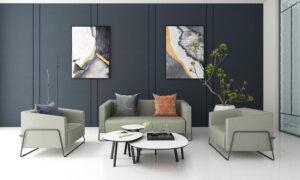 Incorporating huddle spaces and social hubs into modern work environments is increasingly becoming a priority for companies aiming to boost productivity and employee satisfaction. These spaces play a vital role in fostering a sense of community and belonging among team members. By providing areas where employees can interact informally, companies can strengthen workplace relationships and enhance team cohesion.
As an important subset, social hubs complement huddle spaces by offering areas designed for relaxation and casual interaction. These spaces help break down barriers between departments and encourage cross-functional collaboration. When employees have the opportunity to engage with colleagues from different areas of the company, they gain new perspectives and insights, which can lead to more innovative solutions and processes.
Moreover, the inclusion of huddle spaces and social hubs can significantly impact employee well-being and job satisfaction. These areas allow for a change of scenery from the typical workstation setup, which can help reduce stress and prevent burnout. By promoting a more balanced work environment, companies can improve overall employee morale and retention rates.
Key Features to Consider in Your Design
To create huddle spaces that truly enhance collaboration, certain key features must be considered. First and foremost, flexibility is essential. Furniture should be easily movable and adaptable to accommodate different group sizes and meeting types. This adaptability allows teams to configure the space according to their specific needs, promoting more effective collaboration.
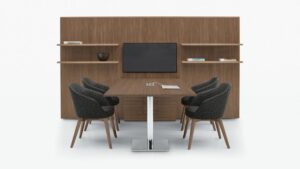 Another critical feature is technology integration. High-quality audio and video equipment are necessary for seamless virtual meetings. Interactive displays, wireless connectivity, and charging stations are also vital components that support efficient communication and productivity. These technological tools ensure that everyone, whether in person or remote, can participate fully in discussions and decision-making processes.
Acoustics and privacy are also important considerations for effective huddle spaces. Sound masking materials and strategic layout designs can help minimize distractions and ensure confidentiality during meetings. Additionally, incorporating elements such as whiteboards or writable walls can provide teams with the tools they need to visualize ideas and plans, facilitating more productive brainstorming sessions.
Designing Huddle Spaces: Best Practices
Creating an effective huddle space requires thoughtful planning and design. To start, it’s important to understand the specific needs and preferences of your team. Conduct surveys or hold focus groups to gather input on what employees value most in a collaborative environment. This feedback will be invaluable in designing spaces that truly meet your team’s needs.
When it comes to furniture, choose pieces that are not only functional but also comfortable and aesthetically pleasing. Choose ergonomic chairs and tables that can be easily adjusted or reconfigured. Incorporating elements of biophilic design, such as natural materials and indoor plants, can also enhance the space’s appeal and contribute to employee well-being.
Lighting is another crucial factor in huddle space design. Ensure that the area is well lit with a combination of natural and artificial lighting. Adjustable lighting options can help create the right ambiance for different types of meetings, whether they’re casual brainstorming sessions or more formal presentations. By paying attention to these details, you can design a huddle space that fosters creativity and collaboration.
Layout Ideas for Enhanced Collaboration
The layout of a huddle space can significantly impact its effectiveness. One popular layout is the circular arrangement, which promotes equality and encourages open communication among team members. This setup is ideal for brainstorming sessions, as it allows everyone to see and engage with each other easily.
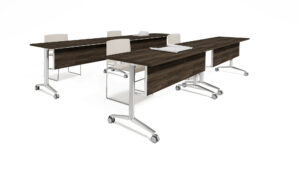 For more structured meetings, consider a U-shaped or V-shaped arrangement. These layouts are conducive to presentations and discussions, as they provide a clear focal point while still allowing for interaction among participants. Movable partitions or modular furniture can be used to create flexible layouts that can be quickly adapted to suit different meeting types and group sizes.
Another innovative layout idea is the use of zones within the huddle space. Create distinct areas for different activities, such as a quiet zone for focused work, a brainstorming zone with writable walls, and a relaxation zone with comfortable seating. This zoned approach allows employees to choose the environment that best suits their current task or mood, enhancing both productivity and satisfaction.
Technology Integration in Huddle Spaces
Integrating technology into huddle spaces is essential for facilitating effective collaboration, especially in today’s digital-first work environments. Start by equipping your huddle spaces with high-quality audio and video conferencing equipment. This ensures that remote team members can participate fully in meetings, reducing the sense of isolation that can occur in hybrid work models.
Interactive displays are another valuable addition to huddle spaces. These tools allow teams to collaborate on documents, presentations, and projects in real-time, improving efficiency and engagement. Coupled with wireless connectivity, these displays make it easy for team members to share content from their devices, fostering a more dynamic and interactive meeting experience.
Don’t overlook the importance of network security and data protection when integrating technology into huddle spaces. Ensure that your systems are equipped with robust security measures to protect sensitive information. By prioritizing both functionality and security, you can create a technologically advanced huddle space that supports seamless collaboration and communication.
Overcoming Common Challenges in Huddle Space Design
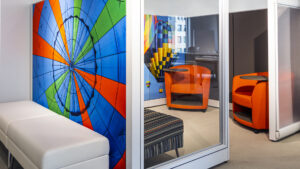 Designing effective huddle spaces involves overcoming several common challenges. One such challenge is space constraints, particularly in smaller offices. To address this issue, consider utilizing underused areas such as corridors or alcoves for huddle spaces. Modular furniture and space-saving designs can also help maximize the available area without compromising on functionality.
Another challenge is ensuring that huddle spaces cater to diverse working styles and preferences. To create an inclusive environment, provide a variety of seating options and configurations. This flexibility allows team members to choose the setup that works best for their individual needs, promoting a more comfortable and productive atmosphere.
Noise can be a significant distraction in open-plan offices, impacting the effectiveness of huddle spaces. To mitigate this issue, incorporate sound-absorbing materials such as acoustic panels, carpets, or curtains. Additionally, consider implementing noise-cancellation technology or designated quiet zones to further enhance the acoustic environment.
Future Trends in Huddle Spaces and Social Hubs as Collaboration Zones
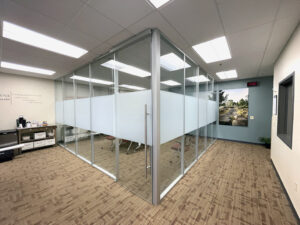 As work environments continue to evolve, so too do the trends in huddle space design. One emerging trend is the incorporation of sustainable and eco-friendly materials. Companies are increasingly prioritizing sustainability in their design choices, opting for recycled or locally sourced materials and energy-efficient technologies. This focus on sustainability not only benefits the environment but also enhances the company’s brand image and appeal to eco-conscious employees. It also allows you to embrace this trend without abandoning prior furnishings investments. Strategically adding features helps to extend the life of the entire office while being eco-friendly.
Another trend is the integration of wellness features into huddle spaces. This includes elements such as natural lighting, ergonomic furniture, and biophilic design, which contribute to employee well-being and productivity. This can also include wellness features like massage chairs or sleep pods. By creating spaces that prioritize health and comfort, companies can foster a more positive and engaging work environment.
The rise of smart technology is also shaping the future of huddle spaces. From AI-powered scheduling systems to voice-activated controls, these innovations are making it easier for teams to collaborate effectively. As technology continues to advance, the potential for even more intuitive and efficient huddle spaces will undoubtedly grow, offering exciting possibilities for future workplace design.
Conclusion: Creating a Productive Work Environment with Huddle Spaces
In conclusion, huddle spaces are a vital component of modern work environments, offering numerous benefits for collaboration, communication, and employee satisfaction. By understanding the key features and best practices for designing these spaces, you can create areas that truly enhance productivity and innovation within your organization.
When designing huddle spaces, consider the unique needs of your team and integrate flexible furniture, advanced technology, and thoughtful layouts to support effective collaboration. By overcoming common challenges and staying abreast of future trends, you can ensure that your huddle spaces remain relevant and valuable in an ever-changing work landscape.
If you’re looking to transform your work environment and foster a culture of collaboration and creativity, consider investing in well-designed huddle spaces. By doing so, you can create a workplace that not only meets the needs of your employees but also drives your company towards greater success and innovation.
Ready to redefine your workspace with innovative huddle spaces? Contact MyOffice today to explore how we can tailor solutions that elevate collaboration and productivity in your organization. Let’s work together to create a thriving work environment that meets the needs of your team now and in the future.
MyOffice has over 20 years of experience in supporting client’s implementing office solutions. We understand the needs of the modern office environment. Optimizing your workspace through furniture selection and layout is a core competency of ours. We are here to help!