24 Nov Understanding Office Flow – What It Is and Why It Matters
Introduction to Office Flow
Office flow refers to the seamless movement and interaction of people, information, and resources within a workplace. It is the invisible thread that connects various elements of an office. The objective is to ensure that tasks are completed efficiently and effectively. When office flow is optimized, it reduces bottlenecks, enhances communication, and boosts productivity.
Imagine an office where employees constantly bump into each other, or where accessing a printer requires navigating a maze of cubicles. (Or perhaps you don’t have to imagine?) Such a setup not only frustrates employees but also hampers workflow. Understanding office flow involves analyzing how tasks are performed, how people interact, and how information moves. This understanding is crucial for identifying areas that ned improvement.
The significance of office flow extends beyond physical layout. It encompasses the organizational culture and communication patterns that influence how work gets done. By mastering office flow, businesses can create an environment that supports innovation, collaboration, and satisfaction among employees.
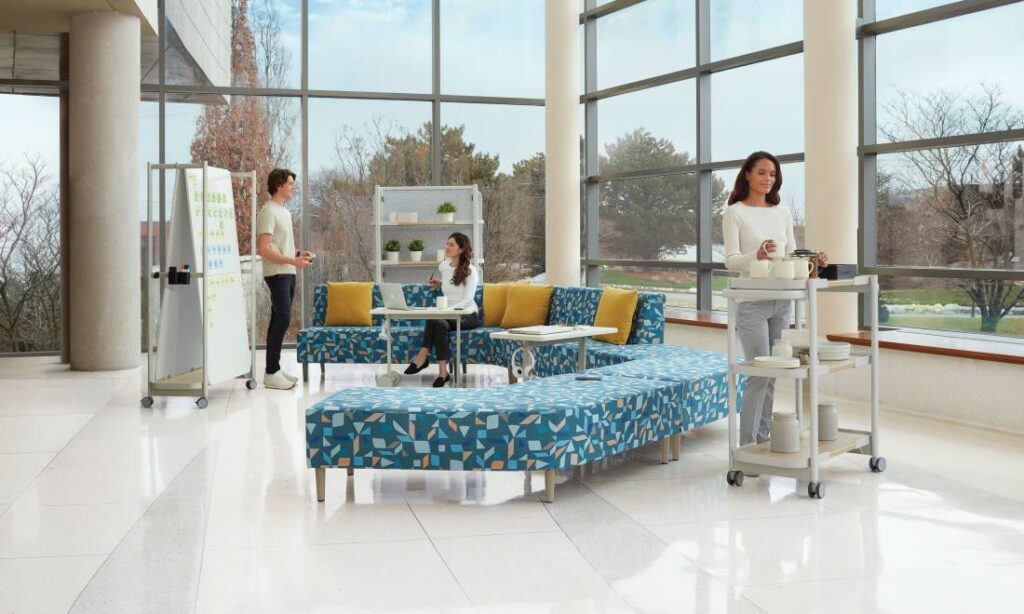
Imagery Sources: Global Furniture Group, Friant, Unsplash
The Importance of Office Flow in Workplace Productivity
Effective office flow is a cornerstone of workplace productivity. When tasks are streamlined, and distractions are minimized, employees can focus on their core responsibilities. This focus translates into higher efficiency and output quality. A well-designed office enables quick access to necessary tools and information, reducing the time spent searching for resources or space.
Moreover, a smooth office flow fosters better communication and collaboration. By strategically placing teams and resources, you can facilitate spontaneous interactions and idea exchanges. This dynamic environment is crucial for fostering creativity and problem-solving, both of which are essential for maintaining a competitive edge in today’s fast-paced business world.
An optimized office flow also plays a significant role in employee well-being. A thoughtfully designed workspace reduces stress and fatigue, leading to higher job satisfaction and lower turnover rates. By investing in office flow, you are investing in your workforce’s overall health and productivity.
Key Elements to Consider
Effective office flow depends on several key elements, each playing a crucial role in creating a harmonious work environment. Understanding these components will help you design a workspace that promotes efficiency and collaboration.
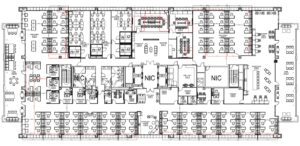 Layout Design: The physical arrangement of desks, meeting rooms, and communal areas should facilitate easy movement and communication. Consider open-plan layouts, modular furniture, and strategically placed collaboration zones to enhance accessibility.
- Technology Integration: Utilize technology to streamline processes and improve communication. Tools such as cloud-based software, instant messaging platforms, and video conferencing systems can bridge geographical gaps and enhance office flow.
- Workstation Ergonomics: Ensure that workstations are designed for comfort and functionality. Adjustable chairs, ergonomic keyboards, and monitors positioned at eye level can prevent fatigue and promote productivity.
By focusing on these elements, you can create an office environment that supports your team’s needs and enhances overall performance.
Finally, the organizational culture must support open communication and flexibility. Encouraging employees to move freely and interact fosters an environment where ideas can flourish. Implementing policies that support flexible working hours, or remote work can further enhance office flow by reducing congestion during peak hours.
Assessing Your Current Office Flow: Steps to Evaluate
 To optimize office flow, you must first assess your current setup. Start by conducting a workflow analysis. Observe how tasks are performed and identify any bottlenecks or inefficiencies. Pay attention to how employees move through the space and interact with each other and with resources.
Next, gather feedback from employees. They are the ones navigating the office daily and can provide valuable insights into what works and what doesn’t. Use surveys or small group discussions to understand their challenges and suggestions for improvement.
Finally, evaluate your use of technology and tools. Are there digital solutions that can streamline processes or improve communication? By taking a comprehensive approach to assessment, you can identify areas for improvement and create a plan to enhance your office flow.
Designing Specific Work Areas
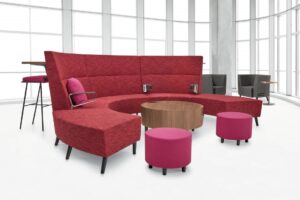 When designing work areas, consider the specific needs of different teams. For instance, creative teams may benefit from open, collaborative spaces, while departments requiring focus may need quieter, private zones. Tailoring each area to its purpose will enhance productivity and satisfaction.
Incorporate flexible workstations that can be easily reconfigured. This flexibility allows you to adapt quickly to changing needs and team sizes. Additionally, ensure that communal areas are strategically placed to encourage interaction among different departments, fostering a sense of community and collaboration.
Consider the ergonomics of your office design. Comfortable seating, adequate lighting, and noise reduction measures not only improve employee well-being but also enhance focus and efficiency. By paying attention to these details, you create a workspace that supports optimal office flow.
Tips for Enhancing Office Flow in Different Work Environments
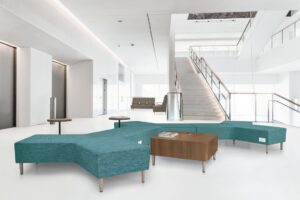 Enhancing office flow requires a tailored approach for different work environments. In a traditional office, prioritize clear pathways and remove obstacles that impede movement. Use signage to guide employees and visitors, ensuring that everyone can navigate the space easily.
For open-plan offices, focus on noise control and privacy solutions. Use partitions or acoustic panels to minimize distractions while still allowing for collaboration. Encourage the use of headphones or designated quiet zones to help employees focus when needed.
In remote or hybrid environments, ensure that technology facilitates seamless communication. Provide employees with the necessary tools and platforms to collaborate effectively, no matter what their location. Regular check-ins and virtual meetings can help maintain a sense of connectivity and ensure that office flow remains uninterrupted.
Building Structure Considerations that Impede Workflow
The physical structure of a building can significantly impact office flow. Narrow corridors, poorly placed elevators, or inadequate lighting can create obstacles that disrupt movement and productivity. When designing or renovating an office space, consider these structural elements carefully.
Access to natural light is crucial for creating an inviting and energizing workspace. If possible, position workstations near windows and use glass partitions to allow light to flow throughout the office. This setup can improve mood and energy levels, positively influencing work performance.
Consider the location of communal areas and amenities such as kitchens and restrooms. These should be easily accessible to all employees to prevent unnecessary detours and congestion. These areas should also be buffered by hard walls or collaboration areas to provide distance from focused work areas. A well-thought-out layout considers both convenience and efficiency in its design.
Office Flow Considerations in a Hybrid Work Environment
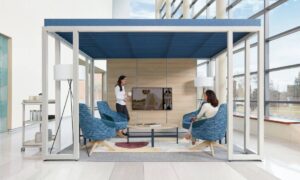 In a hybrid work environment, office flow takes on a new dimension. With employees working both on-site and remotely, ensuring seamless communication and workflow is paramount. Utilize cloud-based tools that enable easy access to documents and collaborative platforms, allowing employees to work effectively from any location.
Create a schedule that optimizes office space usage. With not all employees in the office simultaneously, consider implementing a desk booking system to manage space efficiently. This approach prevents overcrowding and ensures that everyone has the resources they need when they are on-site.
Foster a culture of flexibility and adaptability. Encourage teams to communicate openly about their schedules and preferences. By understanding and accommodating individual needs, you can create a harmonious work environment that supports productivity and well-being in a hybrid setup.
Common Office Flow Mistakes to Avoid
Several common mistakes can hinder office flow. The first is overcrowding. Cramming too many desks into a small area can lead to discomfort and inefficiency. Instead, prioritize space for movement and interaction, ensuring that employees have room to breathe and collaborate.
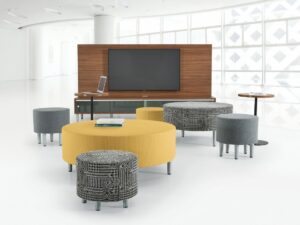 Another mistake is neglecting technology integration. In today’s digital age, failing to provide adequate technological support can lead to frustration and wasted time. Ensure that all employees have access to necessary tools and that your IT infrastructure supports seamless operation. Employees should be capable of accessing your network in any location of the office. Allowing them to shift positions and continue to work untethered is not a nice to have but now an expectation.
Finally, avoid ignoring employee feedback. Employees are the best source of information about what works and what doesn’t in your office flow. Regularly solicit their input and adjust based on their insights. This approach not only improves office flow but also boosts morale and engagement.
Conclusion: Creating a Harmonious Office Environment
Mastering office flow is essential for creating a productive and harmonious workplace. By understanding and optimizing the movement of people, information, and resources, you can foster an environment that supports both individual and organizational success. The key is to tailor your approach to the specific needs of your business and employees.
Remember, office flow is not a one-time project but an ongoing process. Regularly assess and adjust your strategies to meet evolving demands. By prioritizing office flow, you demonstrate a commitment to creating a workplace where everyone can thrive.
Are you ready to transform your office into a productivity powerhouse? Start by assessing your current office flow and implementing these strategies to create a more efficient and harmonious workspace. For expert guidance and innovative solutions tailored to your business, contact MyOffice today. Let’s work together to unlock your office’s full potential!
MyOffice has over 20 years of experience in supporting client’s implementing office solutions. We understand the needs of the modern office environment. Optimizing your workspace through furniture selection and layout is a core competency of ours. We are here to help!