22 Dec Approaches to Making Your Office More Inviting for Your Hybrid Employee Workspace
In today’s evolving work landscape, hybrid employee workspace has become increasingly prevalent. Organizations are recognizing the importance of creating an inviting workspace that caters to both remote and in-office employees. This article explores various strategies to enhance the office environment, making it more appealing for hybrid workers. By focusing on thoughtful design, technology integration, and employee well-being, companies can optimize their hybrid employee workspace and foster a culture of collaboration and productivity.
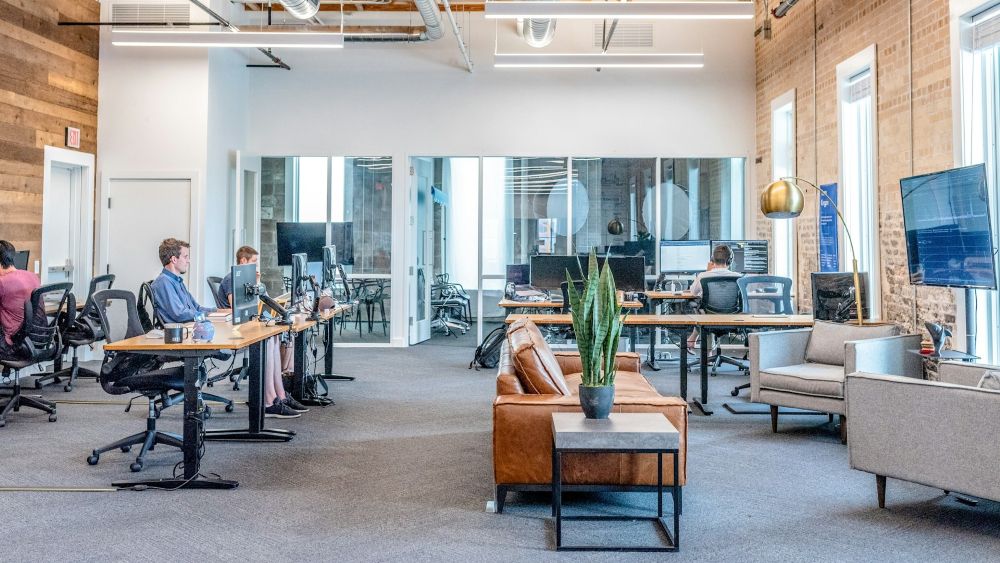
Imagery Sources: Friant, Unsplash
Understanding Hybrid Work Dynamics
The Shift to Hybrid Work
The transition to hybrid work has been accelerated by the global pandemic, prompting many organizations to rethink their workplace strategies. Employees now expect flexibility, and businesses must adapt to meet these demands. Understanding the dynamics of hybrid employee workspace is crucial for creating an environment that encourages employees to return to the office.
Employee Preferences
Research indicates that employees value the option to work from home but also appreciate the benefits of in-person collaboration. A well-designed office can bridge the gap between these two preferences, providing spaces that cater to both individual work and teamwork. By acknowledging employee preferences, organizations can create a more inviting atmosphere that encourages attendance.
The Role of Workplace Design
Workplace design plays a pivotal role in shaping employee experiences. An inviting office should prioritize comfort, functionality, and aesthetics. By investing in thoughtful design elements, companies can create spaces that inspire creativity and collaboration, ultimately enhancing employee satisfaction and productivity.
Key Elements of an Inviting Office
-
Flexible Workspaces
Hot Desking
 Implementing hot desking can significantly enhance the flexibility of the workspace. This approach allows employees to choose their desks based on availability and proximity to current work projects and team participation. Creating a self-selection workspace fosters a sense of community and collaboration. By encouraging employees to interact with different colleagues, hot desking can lead to increased creativity and innovation. This approach further reduces the opportunity of ‘routine fatigue’ from setting in. It further allows for strategically adjusting environments in the office based upon project requirements and team needs. It’s a win-win all around.
Collaborative Zones
Designating areas specifically for collaboration can further enhance the hybrid employee workspace. These zones should be equipped with comfortable seating, whiteboards, and technology to facilitate brainstorming sessions and team meetings. By creating inviting collaborative spaces, organizations can encourage employees to engage with one another and share ideas. It also allows for cross-department team engagements where it otherwise may be difficult to achieve.
-
Comfort and Ergonomics
Ergonomic Furniture
Investing in ergonomic furniture is essential for promoting employee well-being. Comfortable chairs, adjustable desks, and supportive accessories can help reduce physical strain and enhance productivity. By prioritizing ergonomics, organizations demonstrate their commitment to employee health and comfort.
Relaxation Areas and Privacy
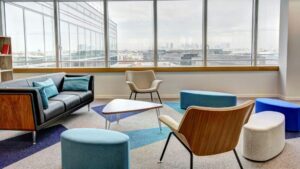 Incorporating relaxation areas within the office can provide employees with a space to recharge. This concept shouldn’t be confused with collaborative zones, but that outcome can occur here as well. These areas are more than just the traditional “break room”. Comfortable seating, calming colors, and natural elements can create a soothing environment that encourages employees to take breaks and return to work refreshed. These areas can also serve as informal meeting spots, fostering collaboration in a relaxed setting.
Additionally, designated privacy areas or zones are vital additions for employees. This solution can include designated quiet areas as well as purpose driven solutions such as privacy pods are keys to success. The need for small team breakouts or even the infrequent personal call can easily be achieved. This provides the hybrid employee freedom to excel on ‘in-office’ days without feeling they have somehow given up the benefits remote work offers.
-
Technology Integration
Advanced Meeting Tools
To optimize the hybrid employee workspace, organizations should invest in advanced meeting technologies. High-quality video conferencing systems, interactive displays, and seamless connectivity can enhance collaboration between remote and in-office employees. Hybrid employee workspace demands seamless connectivity and transitions. Your office should allow for the impromptu move to the next area without the employee losing connection or requiring restarting access. By providing the right tools, companies can ensure that all employees feel included and engaged during meetings.
Workspace Reservation Systems
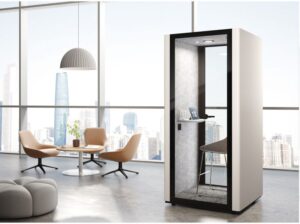 Implementing a workspace reservation system can streamline the process of booking desks and meeting rooms. This technology allows employees to easily find and reserve spaces that suit their needs, promoting efficient use of the office. By simplifying the reservation process, organizations can encourage more employees to utilize the office space.
-
Aesthetic Enhancements
Incorporating Nature
Bringing elements of nature into the office can significantly improve the overall atmosphere. Plants, natural light, and outdoor views can create a calming environment that enhances employee well-being. Research shows that exposure to nature can reduce stress and increase productivity, making it a valuable addition to any workspace.
Art and Personalization
Encouraging employees to personalize their workspaces can foster a sense of ownership and belonging. Allowing individuals to display personal items, artwork, or photographs can create a more inviting atmosphere. Additionally, incorporating local art or murals can enhance the office’s aesthetic appeal and reflect the organization’s culture.
-
Community and Culture
Social Spaces
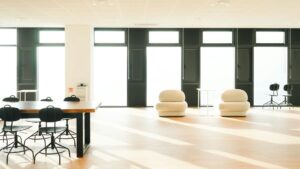 Creating social spaces within the office can encourage employees to connect and build relationships. As discussed earlier, the creation of designated relaxation zones is crucial for the hybrid employee to fully embrace and know that the company has purpose-created this area(s). This signals permission and the embrace of these gatherings within the company culture. Cafés, lounges, and communal areas can serve as informal meeting spots where employees can engage in conversations and collaborate. By fostering a sense of community, organizations can enhance employee morale and satisfaction.
Team-Building Activities
Organizing team-building activities can strengthen relationships among employees and promote a positive workplace culture. These activities can range from casual gatherings to structured workshops, providing opportunities for employees to bond and collaborate outside of their typical work environment.
Measuring Success
Surveys and Assessments
Regularly gathering employee feedback through surveys and assessments can provide valuable insights into the effectiveness of workplace initiatives. By understanding employee preferences and concerns, organizations can make informed decisions about future improvements.
Focus Groups
Conducting focus groups can facilitate open discussions about workplace experiences and expectations. These conversations can help organizations identify areas for enhancement and ensure that employee voices are heard in the decision-making process. Ensuring that the employees have the freedom and are expected to offer direct feedback is vital. Implementing solutions in a timely manner based upon that feedback is
Productivity Tracking
Monitoring productivity metrics can help organizations assess the impact of workplace changes on employee performance. By analyzing data related to output, collaboration, and engagement, companies can determine the effectiveness of their efforts to create an inviting workspace.
Retention Rates
Tracking employee retention rates can provide insights into the overall satisfaction of the workforce. A positive workplace environment that prioritizes employee well-being is likely to result in higher retention rates, indicating the success of initiatives aimed at optimizing the hybrid employee workspace.
Conclusion: Hybrid Employee Workspace is Purposeful
Creating an inviting office for hybrid employees requires a multifaceted approach that prioritizes flexibility, comfort, technology, and employee well-being. By implementing strategies such as flexible workspaces, ergonomic furniture, advanced technology, and community-building initiatives, organizations can foster a positive workplace culture that encourages collaboration and productivity. As the hybrid work model continues to evolve, investing in the employee experience will be essential for attracting and retaining top talent. By optimizing the hybrid employee workspace, companies can create an environment where employees feel valued, engaged, and motivated to contribute their best work.
Are you ready to transform your office to become optimized as a hybrid employee workspace? Start by assessing the needs of those employees and then review your current workspace to identify areas of change as outlined in this article. For expert guidance and innovative solutions tailored to your business, contact MyOffice today. Let’s work together to create the optimal hybrid employee experience!
MyOffice has over 20 years of experience in supporting client’s implementing office solutions. We understand the needs of the modern office environment. Optimizing your workspace through furniture selection and layout is a core competency of ours. We are here to help!