22 Sep Open Office Space Drawbacks and Solutions
At one time (and perhaps still) open office space was all the rage. Being able to increase the utilization of the available square footage, create the opportunity for open collaboration and optimizing the available resources are admirable goals. But with most good things, there are also potential drawbacks. We have seen the evolution of this office environment and learned much along the way. The following article is a collection of valuable insights regarding the drawbacks and their solutions for open office spaces drawn from Mac MacCardle, MyOffice’s Director of Design & Furniture/Director of Sales. With over 40 years of office space outfitting, his insights are invaluable for his numerous current and former clients.
Open Office Space Drawbacks and Solutions
The open office concept has gained significant traction in recent years, touted as a revolutionary approach to workplace design that fosters collaboration and communication. However, as organizations embrace this layout, they are increasingly confronted with a range of challenges. These challenges manifest as hindering productivity, creating unnecessary distractions and negatively impacting employee satisfaction. This article delves into the primary drawbacks of open office spaces and offers practical solutions to mitigate these issues. Ensuring a more effective and harmonious work environment is a worthy goal of any business.
While office furniture alone cannot unilaterally address the potential issues arising from open office designs, it can go a long way to mitigate those issues. However, office furniture decisions are always a complimentary element to any open office space drawbacks you experience. MyOffice would greatly appreciate the opportunity to walk this discussion forward with you as the need dictates.

Imagery Sources: Unsplash, Global Furniture Group, Friant
The Rise of Open Office Spaces
The open office layout emerged as a response to the rigid structures of traditional cubicles, aiming to create a more fluid and interactive workspace. Originating in Germany in the 1950s, the concept was designed to eliminate hierarchies and promote teamwork. Companies like Google and Facebook popularized this model in the early 2000s, leading to widespread adoption across various industries. While the intention behind open offices is commendable, the reality often falls short of expectations. Much of the disappointment in application is traced to poor planning and execution.
Historical Context
Early Beginnings: The first open office was conceptualized by architect Frank Lloyd Wright in 1906, but it primarily served administrative staff.
German Influence: The term Bürolandschaft reflects the egalitarian ideals of post-war Germany, promoting collaboration through shared spaces.
Modern Adoption: The trend gained momentum in the U.S. after tech giants redefined their office layouts. These approaches inspired many businesses across different industry verticals to follow suit.
 Noise and Distractions
One of the most significant challenges associated with open office spaces is the prevalence of noise and distractions. The absence of physical barriers allows sound to travel freely, making it difficult for employees to concentrate on their tasks. Even with the application of policy, the spread of “noise pollution” in the office can be significant.
The Impact of Noise
Cognitive Overload: Constant background noise can lead to increased stress levels and decreased cognitive performance. Studies indicate that even brief exposure to office noise can elevate stress responses.
Disruption of Focus: Employees may find it challenging to maintain focus when surrounded by conversations, phone calls, and other auditory distractions. This is most pronounced where specific periods of focus and clarity are required in a role.
Solutions to Mitigate Noise
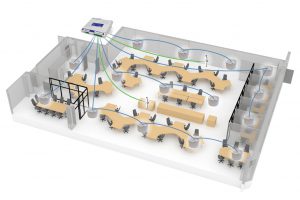 Acoustic Treatments: Implementing sound-absorbing materials such as carpets, acoustic panels, and curtains can significantly reduce noise levels.
Sound Masking: electronic sound masking systems specifically designed to match and therefore mask existing sound to mitigate the noise. Essentially you are lowering the impact of the noise without eliminating it.
Designated Quiet Zones: Creating areas specifically for focused work can provide employees with a retreat from the bustling environment.
Lack of Privacy
Another notable drawback of open office spaces is the lack of privacy. Employees often feel exposed and unable to engage in confidential conversations or tasks that require privileged access and confidentiality.
Consequences of Reduced Privacy
Inhibited Communication: The fear of being overheard can discourage open dialogue and hinder collaboration.
Decreased Job Satisfaction: Employees may feel uncomfortable discussing sensitive matters, leading to frustration and disengagement.
Enhancing Privacy in Open Offices
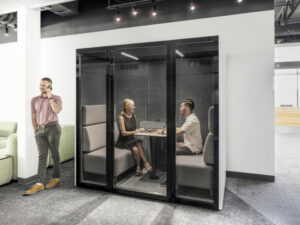
Privacy Booth
Private Booths: Installing soundproof booths for phone calls and meetings can offer employees a space to communicate without fear of eavesdropping.
Dedicated Conference Space: many offices already provide conference space but often limited options either due to structural constraints or resources. There are ready solutions like architectural walls to add these areas to existing footprints.
Flexible Workspaces: Incorporating movable partitions or screens can create temporary privacy when needed.
Temperature Control Issues
Open office layouts often struggle with temperature regulation, as the design can lead to uneven heating and cooling throughout the space.
The Challenge of Temperature Variability
Individual Preferences: Employees have varying comfort levels when it comes to temperature, leading to dissatisfaction when the environment does not meet their needs.
Increased Energy Costs: Inefficient heating and cooling can result in higher energy bills for the organization.
Solutions for Temperature Management
Personalized Climate Control: Allowing employees to adjust their immediate environment, such as using fans or space heaters, can enhance comfort. Of course, there are local building code and/or lease considerations when personal heating devices are allowed. This should be a point of review prior to making any such allowances.
Zoned Heating and Cooling: Implementing a zoned HVAC system can help maintain consistent temperatures across different areas of the office.
Difficulty in Focusing
The open office environment can create challenges for employees who require quiet and solitude to perform their best work. The constant visual and auditory stimuli can lead to decreased productivity.
The Focus Dilemma
Increased Stress Levels: The inability to concentrate can lead to heightened stress and burnout among employees.
Reduced Output: When employees are unable to focus, their overall productivity may decline, affecting the organization’s performance.
Strategies to Improve Focus
Quiet Rooms: Designating specific rooms for quiet work can provide employees with a space to concentrate without distractions.
Flexible Work Arrangements: Allowing employees to work remotely or in different environments can help them find the conditions that best suit their productivity.
Employee Well-Being and Health Concerns
Open office spaces can inadvertently contribute to health issues, including increased stress and the spread of illnesses. The close proximity of employees can facilitate the transmission of viruses and bacteria.
Health Implications
Sickness Spread: Open environments can lead to higher rates of absenteeism due to illness, impacting overall productivity.
Mental Health Strain: The stress associated with noise and lack of privacy can contribute to mental health challenges among employees.
Promoting Health in Open Offices
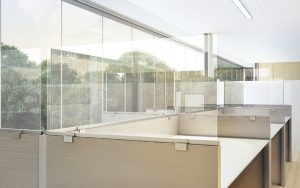
Protective Screens
Encouraging Breaks: Implementing policies that encourage regular breaks can help employees recharge and reduce stress.
Workstation Barriers: workstation barriers to create blocks to decrease spread of droplets between work areas. This can include clear and solid barriers. This can also provide benefits to sound transmission.
Wellness Programs: Offering wellness initiatives, such as yoga classes or mental health resources, can support employee well-being.
The Challenge of Collaboration
While open office spaces are designed to foster collaboration, they can sometimes have the opposite effect. The distractions and lack of privacy may hinder effective teamwork.
Collaboration Pitfalls
Reduced Face-to-Face Interaction: Ironically, employees may resort to digital communication methods, such as emails and messaging apps, to avoid interruptions.
Team Dynamics: The inability to engage in meaningful conversations can impact team cohesion and morale.
Enhancing Collaborative Efforts
Structured Collaboration Areas: Creating designated spaces for team meetings and brainstorming sessions can facilitate productive discussions.
Team-Building Activities: Organizing regular team-building exercises can strengthen relationships and improve collaboration.
The Importance of Intentional Design
To address the drawbacks of open office spaces, organizations must prioritize intentional design that considers the diverse needs of their employees.
Key Design Principles
Flexibility: Incorporating adaptable workspaces that can be reconfigured based on team needs can enhance functionality.
Variety of Spaces: Offering a mix of collaborative and private areas allows employees to choose the environment that best suits their tasks.
Implementing Thoughtful Design
Employee Input: Involving employees in the design process can ensure that their preferences and needs are taken into account.
Regular Assessments: Continuously evaluating the effectiveness of the office layout can help identify areas for improvement.
Balancing Collaboration and Focus
 Finding the right balance between collaboration and individual focus is crucial for maximizing productivity in open office spaces.
The Need for Balance
Collaborative Work: While teamwork is essential, employees also require time and space for independent tasks.
Employee Preferences: Recognizing that different employees have varying work styles can help create a more inclusive environment.
Strategies for Balance
Designated Collaboration Times: Establishing specific times for team collaboration can help minimize distractions during focused work periods.
Encouraging Remote Work: Allowing employees to work from home or in quieter environments can enhance their productivity.
Conclusion: Open Office Space Drawbacks Are Not Terminal
The open office space concept, while well-intentioned, presents several challenges that can impact employee productivity and satisfaction. By recognizing the drawbacks and implementing effective solutions, organizations can create a more balanced and harmonious work environment. Prioritizing employee well-being, fostering collaboration, and embracing intentional design are essential steps toward overcoming the inherent challenges of open office spaces. Ultimately, a thoughtful approach to office design can lead to a more engaged and productive workforce. This approach offers benefits for employees and the organization alike.
Ready to overcome open office space drawbacks that may exist in your environment? Contact us today to explore our range of innovative solutions and discover how we can help you create a workspace that enhances productivity and retention. Let us partner with you in transforming your office into a place where your team can thrive. Contact us today to schedule a consultation and discover how we can help you furnish your office from the smallest addition to the largest buildout.
MyOffice has over 20 years of experience in supporting client’s implementing office solutions. We understand the needs of the modern office environment. Optimizing your workspace through furniture selection and layout is a core competency of ours. We are here to help!