27 Jan What is a Flexible Workspace?
There is the potential with any business concept to become overused and therefore lose specific meaning for application. The concept of an office providing ‘flexible workspace’ potentially falls into this category of meaning dilution. With RTO goals to make return to work easier for employees, businesses seeking to be mindful of wholistic views of employee wellbeing, remote work concepts, etc. the confusion can be real. A flexible workspace is a dynamic environment that adapts to the needs of its users, enabling a more versatile approach to working. Unlike traditional office settings, which often consist of fixed desks and assigned seating, flexible workspaces prioritize adaptability and efficiency. These environments can be reconfigured to accommodate various tasks, team sizes, and individual preferences.
Flexible workspaces are designed to support a range of activities, whether you’re hosting a team meeting, working on a focused solo project, or engaging in collaborative brainstorming. This adaptability not only enhances productivity but also fosters innovation. By prioritizing user needs and preferences, flexible workspaces create a more engaging and motivating atmosphere for employees.
Incorporating elements such as hot desking, shared spaces, and breakout areas, flexible workspaces reflect the evolving nature of modern work. They are especially beneficial in today’s fast-paced business environment, where flexibility and agility are critical for success. By allowing employees to choose how and where they work, organizations can boost morale and improve overall job satisfaction.

Imagery Sources: Pexels, Friant, Global Furniture, 9to5 Seating
The Evolution of Flexible Workspaces
 The concept of flexible workspaces has evolved significantly over the years, driven by changes in technology, work culture, and employee expectations. In the past, offices were rigidly structured, with employees assigned specific desks and cubicles. However, as technology advanced and remote work became more prevalent, the need for more adaptable work environments arose.
In the early 2000s, the rise of coworking spaces marked a pivotal shift in workspace design. These shared environments provided freelancers, startups, and small businesses with the flexibility and resources they needed without the overhead of traditional office spaces. Coworking spaces emphasized community, collaboration, and flexibility, setting the stage for the broader adoption of flexible workspaces.
Today, flexible workspaces are embraced by organizations of all sizes, from multinational corporations to small enterprises. Additionally, employees are increasingly making decisions about jobs and roles based upon environment and options for work-life balance. This evolution reflects a broader trend toward more employee-centric work environments, where adaptability and balance are prioritized. As businesses continue to adapt to the changing landscape, flexible workspaces will inevitably play an increasingly important role in shaping the future of work.
Key Benefits
Implementing a flexible workspace offers a range of benefits that can significantly enhance your organization’s performance and employee satisfaction. Here are some key advantages:
Increased Productivity: Flexible workspaces allow employees to choose environments that suit their tasks, leading to higher efficiency and output. By providing options such as quiet zones for focused work and collaborative areas for team projects, you can optimize productivity across the board.
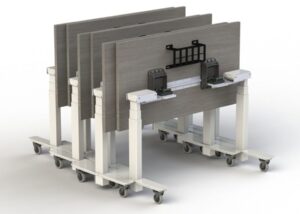 Cost Efficiency: By maximizing the use of available space, flexible workspaces can reduce overhead costs. Instead of maintaining fixed desks for every employee, hot desking and shared spaces allow you to accommodate a larger workforce within a smaller footprint.
Enhanced Collaboration: The open and adaptable nature of flexible workspaces encourages spontaneous interactions and idea-sharing among team members. This can lead to more innovative solutions and a stronger sense of community within your organization.
Attraction and Retention of Talent: Offering a flexible workspace can make your organization more appealing to top talent. Employees value the ability to work in environments tailored to their needs, and this flexibility can lead to higher job satisfaction and retention rates.
Improved Work-Life Balance: With the option to choose when and where they work, employees can better manage their personal and professional lives. This flexibility can lead to reduced stress and a healthier work-life balance.
Types of Flexible Workspaces
Flexible workspaces come in various forms, each designed to cater to different organizational needs and preferences. Understanding these types can help you determine the best fit for your company:
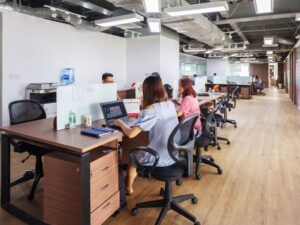 Hot Desking: This model allows employees to choose from available desks on a first-come, first-served basis. It promotes interaction among team members and optimizes space usage by reducing idle workstations.
Coworking Spaces: These shared environments provide a sense of community and collaboration. Ideal for freelancers and startups, coworking spaces offer amenities like meeting rooms, high-speed internet, and communal areas.
Agile Workspaces: Designed to support diverse work styles, agile workspaces feature various zones for different activities, such as quiet areas for focused tasks and open spaces for group discussions.
Remote Work Options: While not a physical space, offering remote work flexibility is a critical component of a modern workspace strategy. It allows employees to work from home or other locations, promoting autonomy and work-life balance.
Activity-Based Workspaces (ABW): This approach provides a range of settings tailored to specific tasks. Employees can move between spaces designed for collaboration, concentration, or relaxation, depending on their needs.
Challenges of Adopting a Flexible Workspace
While flexible workspaces offer numerous benefits, they also present certain challenges that you must address to ensure a smooth transition:
Resistance to Change: Employees accustomed to traditional office setups may resist the shift to a flexible workspace. To overcome this, provide clear communication about the benefits and offer training to ease the transition.
Privacy Concerns: Open and shared environments can lead to privacy issues, as employees may feel exposed or distracted. To mitigate this, incorporate privacy screens, quiet zones, and soundproofing solutions into the design.
Resource Management: Managing shared resources, such as meeting rooms and equipment, can be challenging in a flexible workspace. Implementing a booking system and clear usage guidelines can help streamline this process.
Technology Dependence: Flexible workspaces rely heavily on technology for communication and collaboration. Ensure your infrastructure is robust and reliable to prevent disruptions and maintain productivity.
Balancing Flexibility and Structure: While flexibility is key, maintaining a degree of structure is essential for ensuring efficiency and accountability. Establish clear policies and expectations to strike the right balance.
Future Trends
As the concept of flexible workspaces continues to evolve, several trends are shaping the future of work environments. Staying informed about these trends can help you anticipate changes and adapt your workspace strategy accordingly:
 Hybrid Work Models: The integration of remote and in-office work is becoming increasingly common. Flexible workspaces will need to accommodate hybrid teams by offering seamless connectivity and support for both remote and office-based employees.
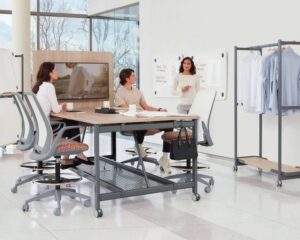
Sustainability Focus: As environmental concerns grow, sustainable design and practices will play a more prominent role in flexible workspaces. Expect to see increased use of eco-friendly materials, energy-efficient systems, and green certifications. Furniture that is adaptable to changing requirements will be increasingly needed in the office of the future. Flexible desking and storage, adaptable worksurfaces and tables, ergonomic seating for multiple roles and environments will be needed.
Health and Well-being: With a heightened emphasis on employee well-being, future workspaces will prioritize health-focused design elements, such as improved air quality, ergonomic furniture, and wellness areas.
AI and Automation: Artificial intelligence and automation will play a larger role in managing and optimizing flexible workspaces. From predictive analytics for space utilization to AI-driven resource management, these technologies will streamline operations. We believe that this area will expand rapidly and will become a preeminent consideration for business managers.
Conclusion: Embracing the Flexible Workspace Culture
Adopting a flexible workspace culture is an investment in your organization’s future, offering numerous benefits for employees and the business as a whole. By fostering adaptability, collaboration, and innovation, flexible work environments help create a more engaged and productive workforce.
As you consider implementing a flexible workspace, remember that success depends on careful planning, employee engagement, and the right technology. By addressing potential challenges and staying informed about future trends, you can create a workspace that supports your organization’s goals and adapts to the evolving nature of work.
Embrace the flexibility, and take the first step toward transforming your work environment. Explore the potential of flexible workspaces today and unlock new opportunities for growth and success. If you’re ready to revolutionize your workspace and enhance your organization’s performance, consider partnering with MyOffice today. Our insights and solutions can guide you in creating a dynamic and adaptable work environment tailored to your specific needs…contact MyOffice today. Let’s work together to create the optimal flexible workspace for your employees!
MyOffice has over 20 years of experience in supporting client’s implementing office solutions. We understand the needs of the modern office environment. Optimizing your workspace through furniture selection and layout is a core competency of ours. We are here to help!